Tag: John Hurt
-

What’s so incredible about A Man for All Seasons is how big director Zinnemann makes it while keeping it small while keeping it big. The settings are big—palaces, estates, and so on—but Zinnemann keeps the set pieces small. He and cinematographer Ted Moore will do big establishing shots, but only after they’ve gotten into the…
-

Ridley Scott’s director’s cut of Alien feels like vaguely engaged exercise more than any kind of devout restoration. Its less than artistic origins–Scott cut it together a combination, apparently, of fan service and studio marketing needs–actually help it quite a bit in the first act. Scott’s new cut rushes things, though it doesn’t really rush…
-

Peerless tale of real person John Merrick, played by John Hurt, who suffered Proteus syndrome (which causes severe deformities), who went from English freak shows to London society thanks to a doctor. Anthony Hopkins plays the doctor. Simultaneously tragic and uplifting; real beauty of the human heart stuff here, sincerely and deliberately conveyed by director…
-
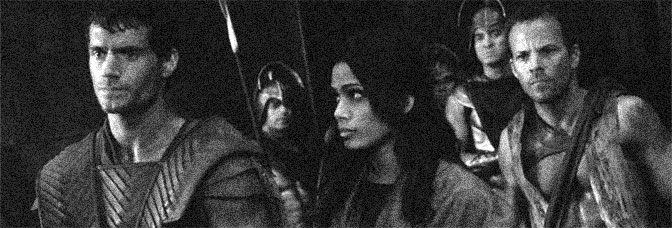
The best thing about Immortals is probably Stephen Dorff. He gives the most consistent performance and has something akin to a reasonable character arc. No one else in the film has that courtesy. The film, which has the Greek gods reluctantly influencing the life of mortals, makes a big deal out of freewill and the…
-

Can you even watch Alien if you have epilepsy? After about a hundred minutes of elegant direction, Scott relies on this strobe effect for the remainder of the film’s running time. Yes, it makes a disquieting effect, but it gets old in a few minutes and he uses it for at least fifteen. And, strobe…
-
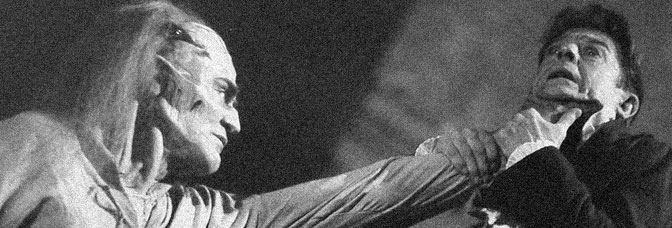
After destroying the future trying to save the environment, scientist John Hurt goes into the past where he finds the events of Frankenstein (the novel) unfolding around him, with Mary Shelley (Bridget Fonda) witnessing Dr. Frankenstein’s descent into madness. Raul Julia’s an amazing Frankenstein, Nick Brimble’s an amazing monster. Hurt’s a tad passive but very…
-
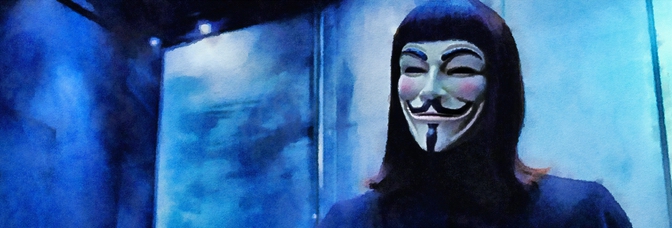
V for Vendetta is a film made by Americans about London. I mean, I can see how it’s all right, given it’s a big budget nonsense blockbuster, but there’s something so incredibly lame in the last scene of the film–I’m going to ruin it for you–the dead people, those murdered by the evil British state,…
-

Someone–Ebert maybe–is going to laud The Limits of Control. The nicest thing one can really say about it is it isn’t abjectly terrible. There aren’t many bad performances (Tilda Swinton’s lame and Bill Murray’s awful and Isaach De Bankolé is weak when he has more lines than the Terminator) and Jarmusch really does know how…
-
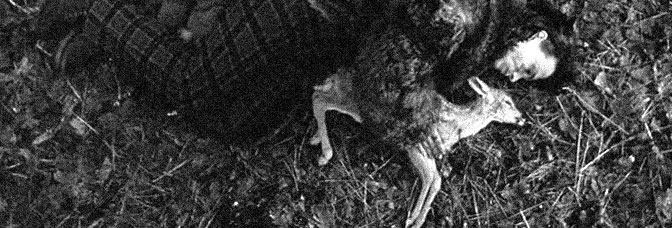
Dead Man is not a strange film. I haven’t seen it in ten years and I’ve probably seen the majority of the Westerns I’ve seen in that interim. So the opening, as Johnny Depp watches the familiar Western trappings pass from a train window, probably didn’t resonate on my last viewing. What Jarmusch doesn’t get…
-

If I recall correctly, Mike Mignola never had Hellboy and Selma Blair’s firestarter get together (romantically) in the comics, even though Hellboy is flame resistant. That filmic development was all Guillermo del Toro’s. del Toro is responsible for everything successful in Hellboy and, subsequently, everything unsuccessful. Hellboy works, which is probably the film’s greatest achievement–it’s…
-

The biggest development, in terms of script, in Indiana Jones and the Kingdom of the Crystal Skull might actually be George Lucas’s fingerprints. Between Last Crusade and this sequel, Lucas created the “Young Indiana Jones Chronicles” television series and introduced the idea of canon to the series. As an example, in Crystal Skull, Harrison Ford…
-
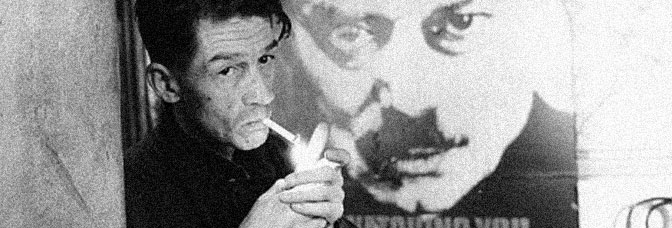
For well over an hour of Nineteen Eighty-Four, nothing much happens. John Hurt edits articles, writes in his journal, does his exercises, talks to people, meets a girl… I suppose the romance should have accelerated Nineteen Eighty-Four’s pace or gotten it moving, but it really didn’t. Instead, the film just continued on its gradual pace.…
-
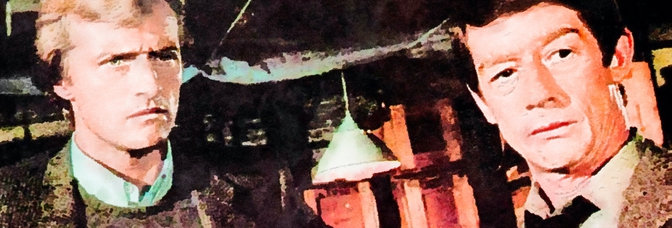
Godawful adaptation of Robert Ludlum espionage novel about TV journalist Rutger Hauer (who’s excellent despite not having his accent ironed out to play American white bread) getting recruited to spy on his pals, who may or may not be enemy agents. The film’s a shocking waste of its cast–Burt Lancaster, John Hurt, Dennis Hopper, and…
-

Okay Meat pie Western (Australian Western) about lawman Ray Winstone getting outlaw Guy Pearce to go and kill worse outlaw (and Pearce’s older brother) Danny Huston. While Pearce is off hunting Huston–and experiencing all the turmoil of that situation–Winstone contends with his complicated, but loving, marriage to Emily Watson. Phenomenal performance Winstone, good but could…
 The Stop Button